Nuno Rebelo's cantigas
A Sem Muralhas night at the Clube Recreativo Penichense
On 3 October 2026 we recorded Nuno Rebelo and his Cantigas Tugas at a Sem Muralhas night in Peniche, with three cameras and a one-person control room. Two days later, we turned the gig poster into the intros for the videos.
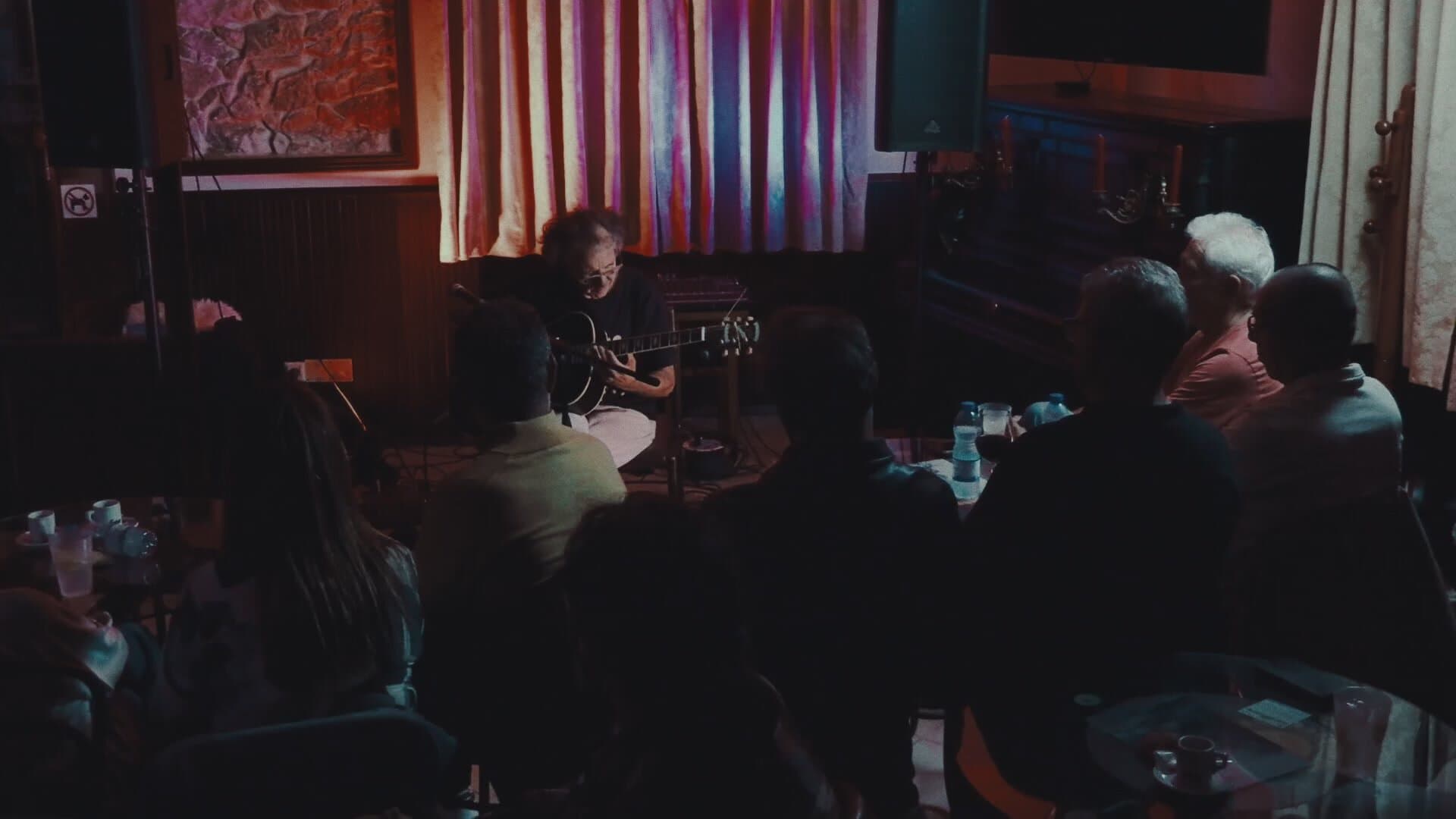
There are rooms you film and rooms you listen to. The hall of the Clube Recreativo Penichense, more than a hundred years old and tucked inside the Jardim das Rendilheiras, a garden in the centre of Peniche, on Portugal's west coast, is one of the second kind. There is no stage. The musicians play at the far end, in front of a set of long curtains, and the audience sits at tables with their drinks, right in front of whoever is playing, like a tavern where the singing happens between the plates. That is where Bruno Amaral took three cameras on the night of 3 October, a Saturday, to record a whole concert in a room you listen to.
It was a Sem Muralhas night, the concert series that the Associação Cultural Onda, a local cultural association, opened in June at the bandstand in the same garden. The evening began with Paulo Chagas, who runs the series, standing, microphone in hand. João Leitão played first, with Erro de Raccord, and then Nuno Rebelo, with Cantigas Tugas.
Nuno and the songbook
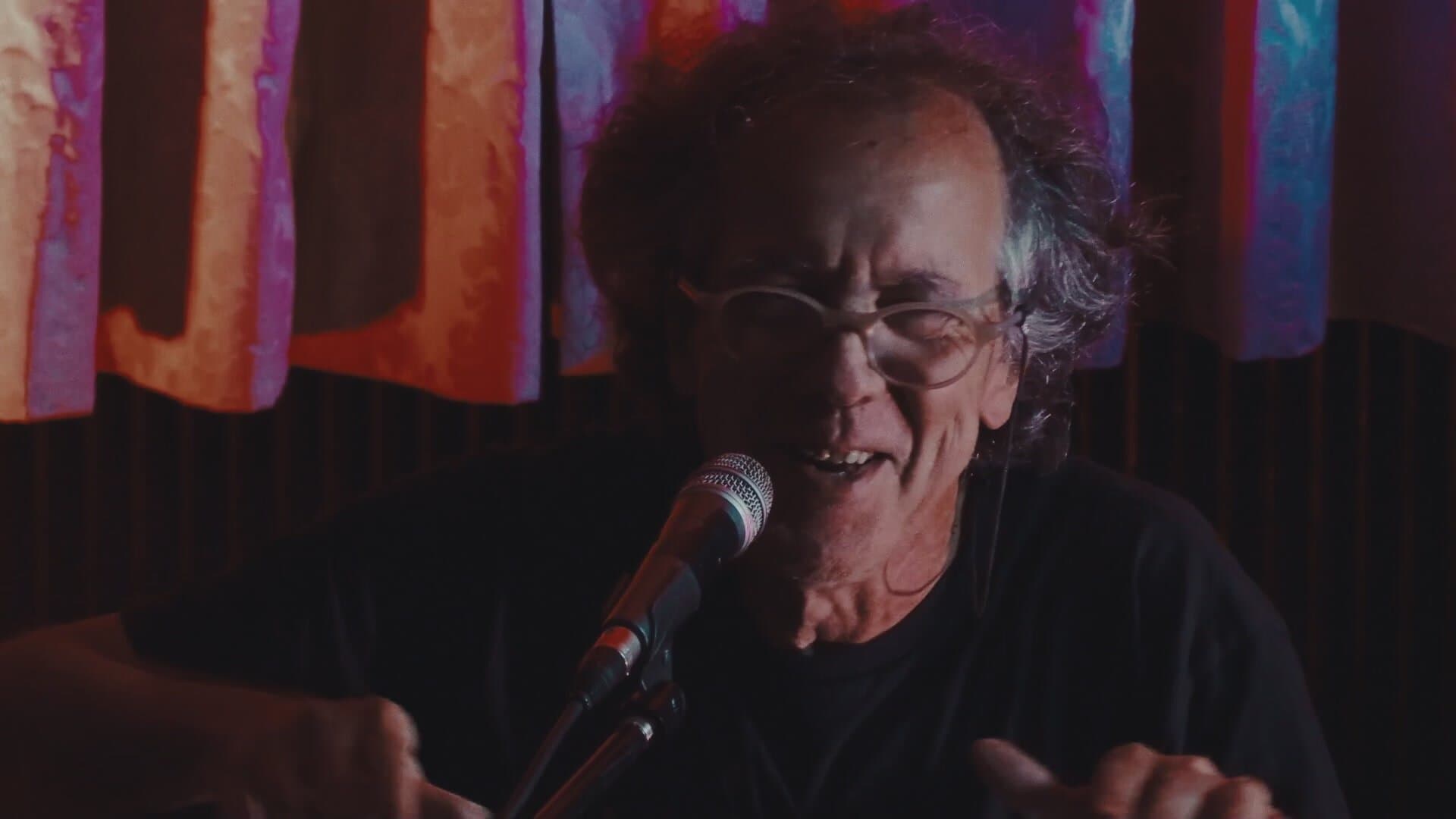
Nuno Rebelo was born in Torres Vedras in 1960, played in Street Kids and led Mler Ife Dada, one of the Portuguese bands of the eighties, from 1983 to 1989. Anyone who only knows him from those years might not expect what he plays now. Cantigas Tugas is the Portuguese folk songbook, the tunes everyone has heard someone sing, in his own arrangements and played on guitar alone, with no words. It premiered at Zaratan, in Lisbon, in November 2025, at a concert Zaratan announced as his "brand new and Babylonian project". I can't think of a better word than Babylonian.
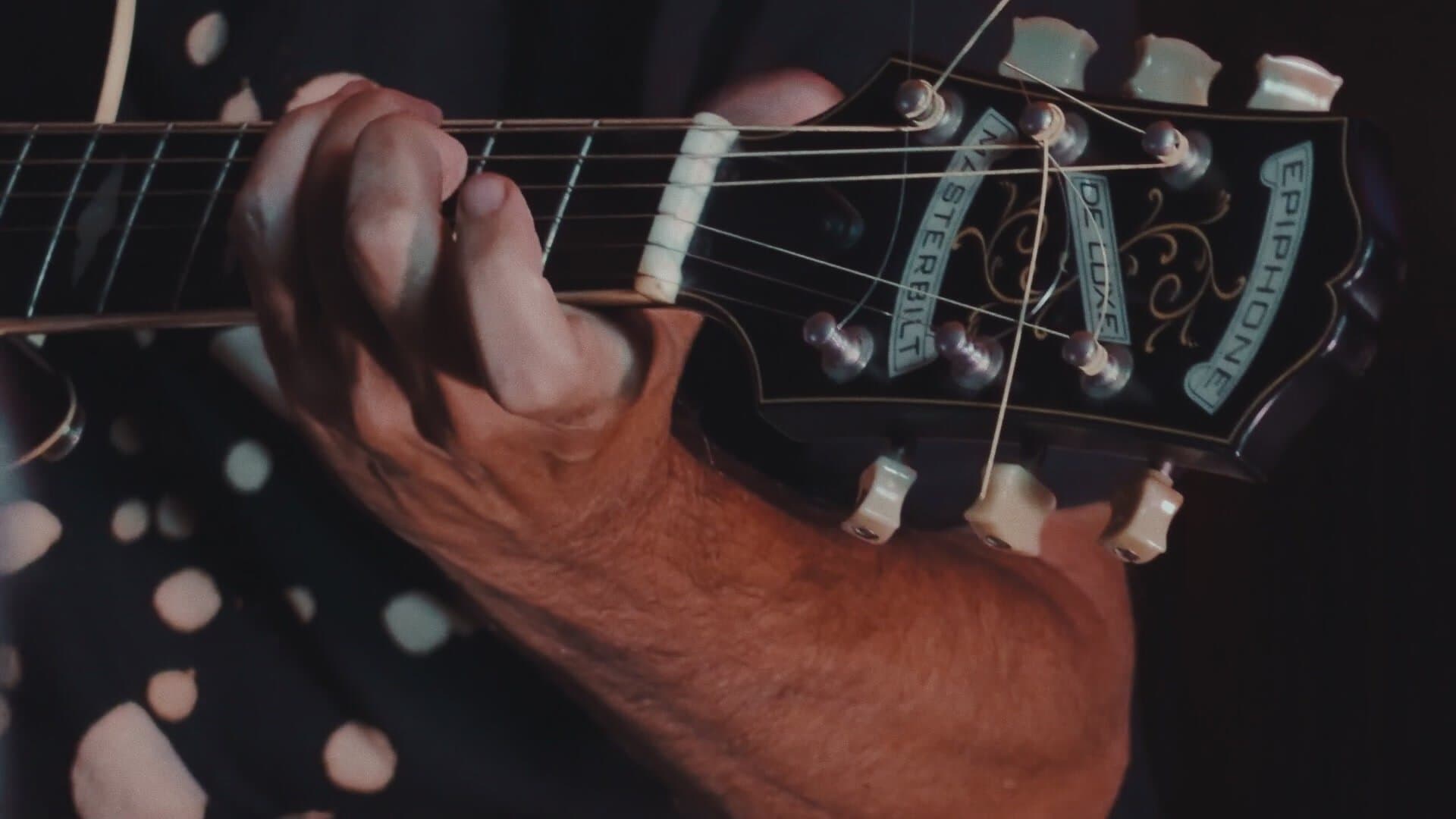
In Peniche he played seated, with an Epiphone Masterbilt archtop on his lap and a few loose sheets of paper on his knees. What they were for, I don't know. As far as I know Nuno plays this repertoire from memory, and the sheets came along the way you take an umbrella on a sunny day.
Three Canons and a one-person control room
Bruno was alone in the control room, with vMix and three Canon cameras connected over NDI, which carries each camera's picture down a network cable instead of a video cable. Sound came from two places, the PA desk and an ambient microphone. The front light was ours. The decorative light, which turns the curtains red and orange behind the musicians, was lent by João Bello.
He set up the cameras while the room was still empty. When the audience sat down, their heads ended up higher than he had reckoned, like the tide coming in while you lay out your towel, and in some angles there was now the back of a head between the camera and Nuno. The night went out live on Onda's YouTube channel, and at the same time we recorded four files in parallel, from 22:03 to 23:33. None of them dropped a frame.
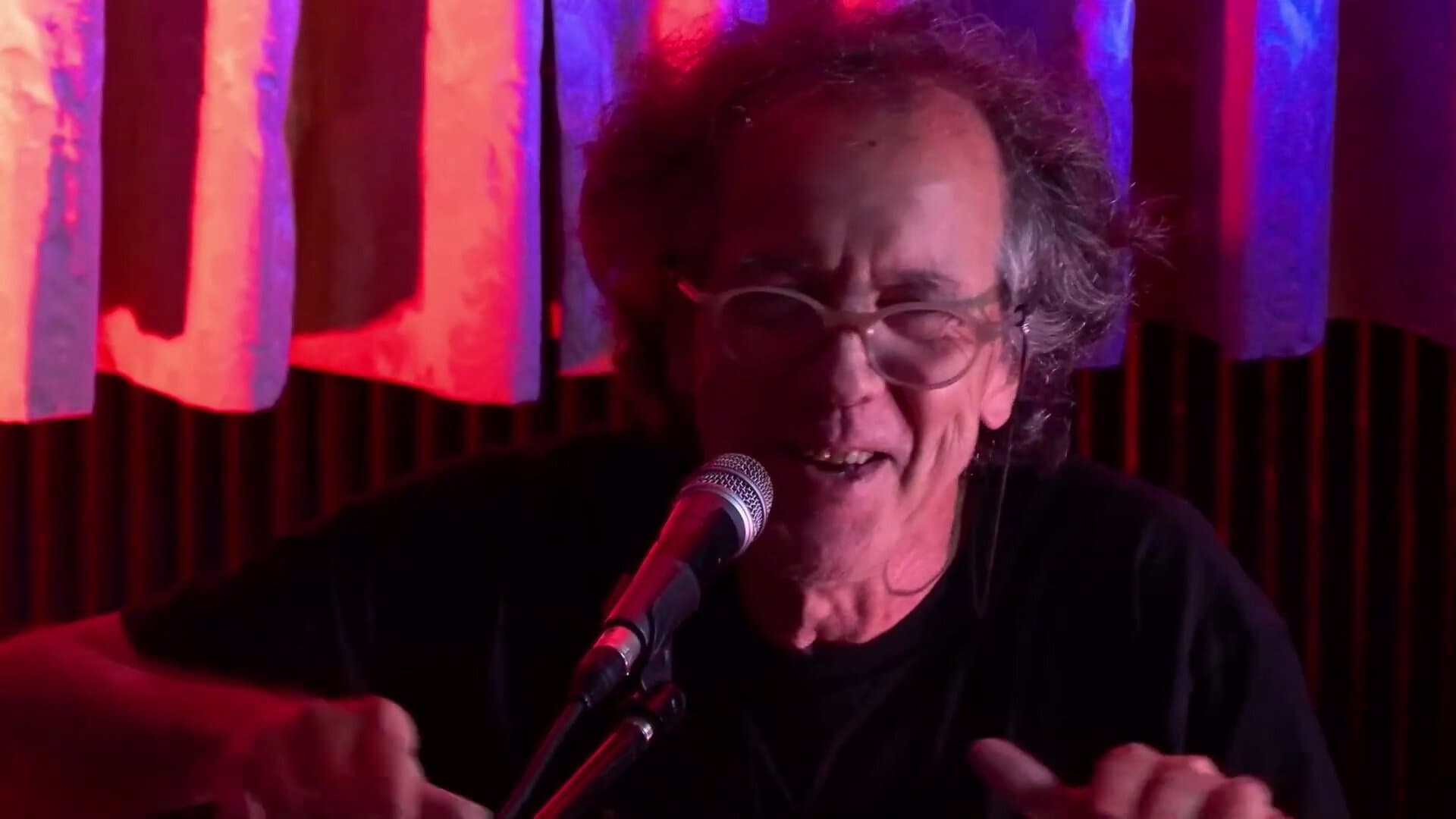
The colour grading and the touch-ups were left for the next day. Bruno wanted to get the videos to Onda as soon as possible, and did them the way you tidy the house with the guests already on their way, without fuss, but with the difference there to see.
Sixteen seconds of poster
The gig poster is a flat drawing on paper, in the manner of Miró, with the title in brushstrokes, a guitar in line and coloured stars and dots around it. On the day itself we animated it into a 16-second loop, which sat in vMix waiting for the start. On 5 October, two days later, Bruno made the intros for the concert videos, one for the full recording and one for each musician. "Why wouldn't I make them?" he tells me.
In the loop, the names stay still and everything else moves. The stars spin, the dots orbit, the guitar strings vibrate with every strum and quavers rise out of the soundhole and fade like steam off a cup. After sixteen seconds everything is back in its place, and the loop starts again without a visible seam.
João Leitão played first, with the songs of Erro de Raccord. A week earlier we had been with him on Berlenga, the island off Peniche, and that night has its own article.
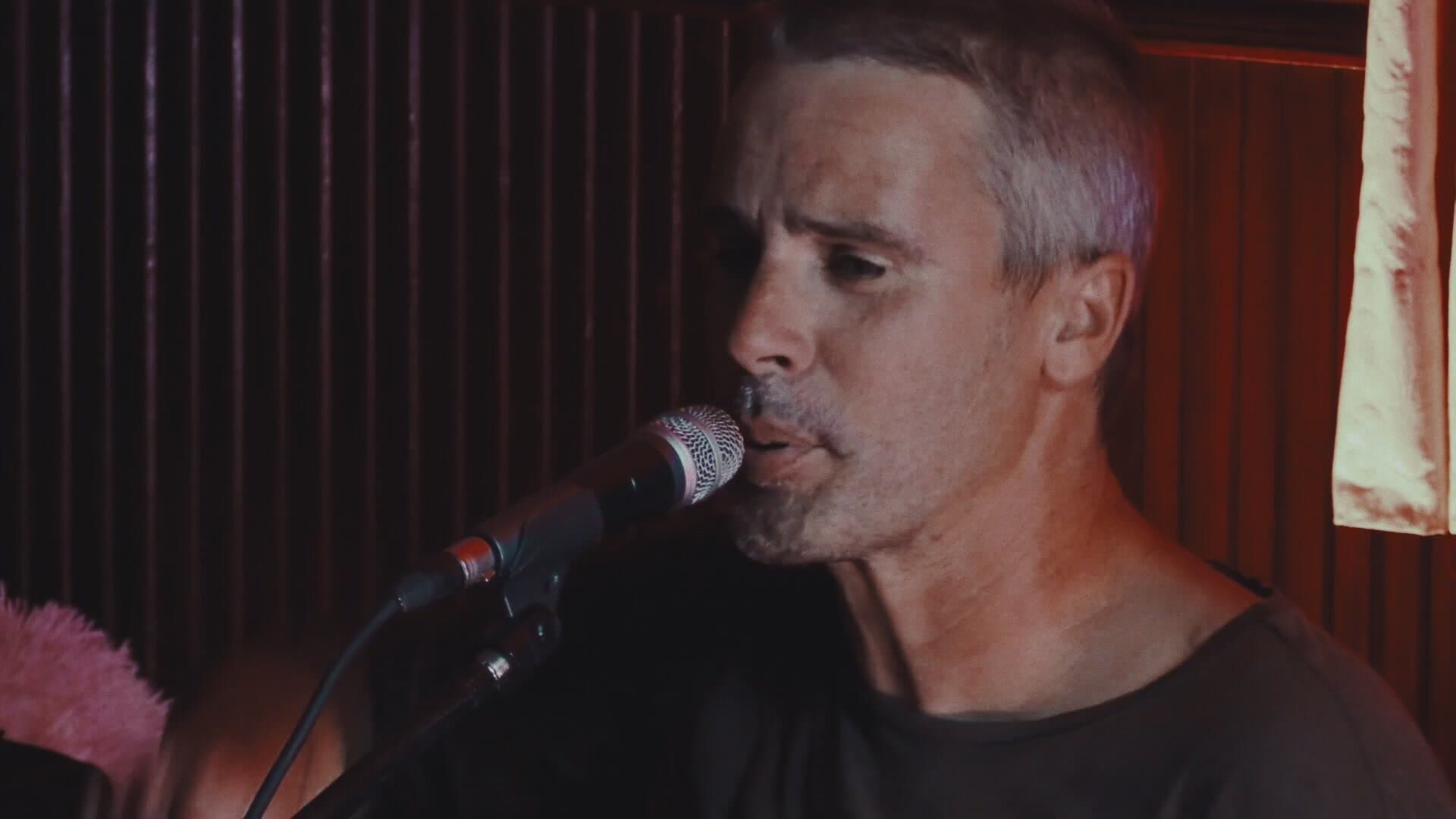
The live stream is still on Onda's YouTube. The final edit, with the grading, went to Onda and has not been published yet. It runs an hour and twenty-eight minutes, and opens with the poster painting itself and, straight after, Paulo Chagas with the microphone in his hand, the way the night opened.